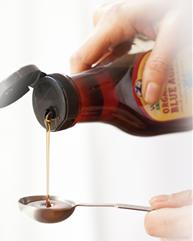
Depending on who you talk to, agave nectar is either pure goodness sent from the heavens or something from the labs of Dr. Evil. This is often seen with foods, where we build them up to a “super food” status, only to knock them down. But sometimes things aren’t as black and white as they may seem.
What’s Agave
Agave is made from dessert plants, which also give us tequila. The juices of these plants are a sweet carbohydrate called inulin, which is extracted from the plant, filtered, heated and then treated with enzymes to convert it to sugar, which is marketed as “nectar.”
The Benefits
Agave nectar has a relatively low glycemic index, meaning it doesn’t spike your blood sugar as much as white sugar. It has a neutral flavor and can dissolve easily in cold liquids, like freshly brewed iced tea. It’s also sweeter than white sugar with the same amount of calories (16 per teaspoon), so you don’t need to use as much. Plus, it’s good for vegans who don’t eat honey.
The Controversy
The concerns about agave revolve around its naturally high fructose content. Unlike sugar which is broken down by the body to 50% fructose and 50% glucose, agave breaks down to up to 90% fructose. That is a higher fructose content than even high fructose corn syrup. Ironically, agave’s high fructose content is the very reason it has a low glycemic index. But a number of studies show that large quantities of pure fructose can harm your liver;however, there are no indications that small amounts are problematic.
My Take
Although I prefer less-refined sweeteners such as maple syrup, honey and molasses, which have some antioxidants and trace minerals, agave has its own distinct benefits and has a place in my repertoire of sugar alternatives. It doesn’t deserve its health halo though. Agave, like all added sweeteners, should be used sparingly.